
Moisture mapping
Readings are taken across floors, walls and framing to map which materials are wet and how wet they are before any equipment is placed.
24/7 Dispatch · Manhattan, Brooklyn, Queens & Long Island
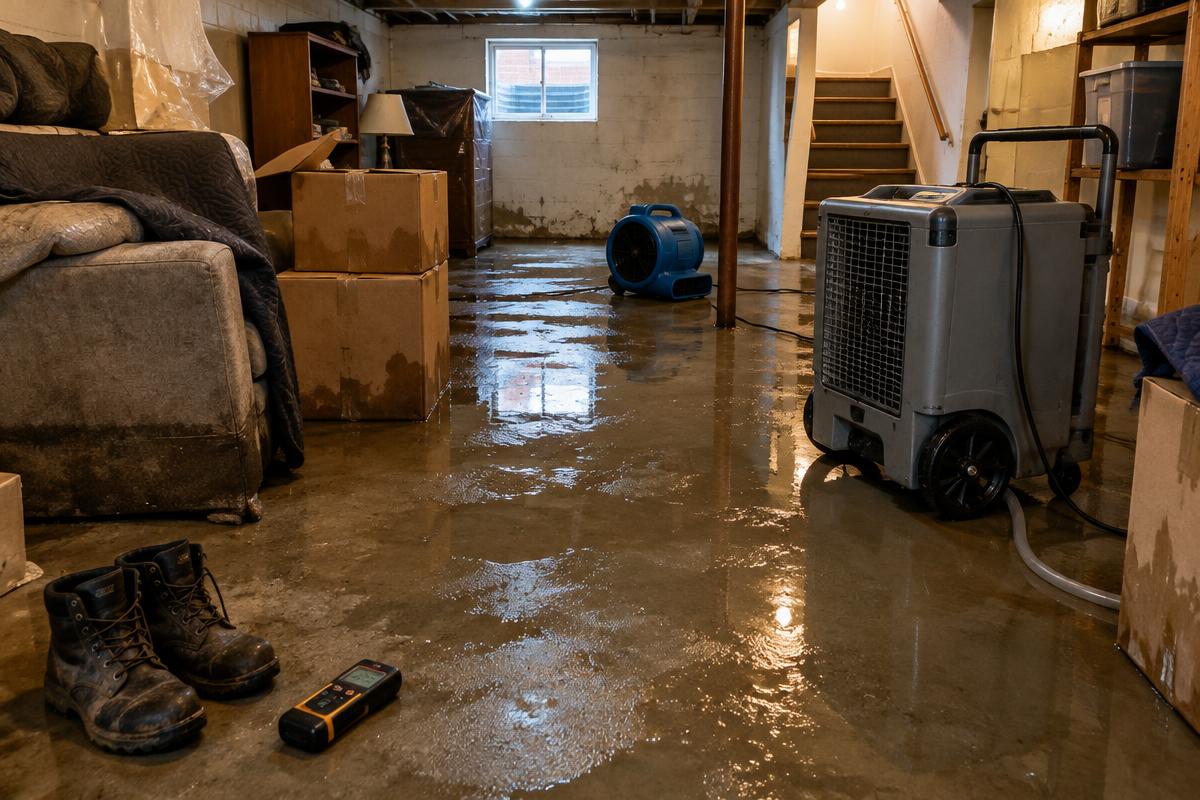
Dehumidification & drying
Commercial dehumidification and structural drying for homes and small businesses across Queens, Brooklyn, Manhattan and Long Island. Call dispatch at (516) 348-5145 — day or night — and get a written quote before any work begins.
Dehumidification from Gotham Home Services Inc. dries water-damaged floors, walls, and framing with commercial dehumidifiers and air movers in Queens, Brooklyn, Manhattan, and Long Island. Call (516) 348-5145 any hour; a technician takes moisture readings, places equipment according to those readings, and verifies with follow-up readings that materials have reached acceptable moisture levels before anything is closed up. The company holds New York City home improvement contractor license 2132513-DCWP. The company works on residential and light-commercial properties. Pricing is quote on request after the on-site assessment, and the full drying scope is confirmed in writing first.
Emergency work
Call after a leak, flood, or water removal when floors, walls, ceilings, or framing remain wet. Dispatch will confirm crew availability and arrange moisture readings to determine the drying scope. Active water must be stopped or removed first where conditions allow, and areas with electrical hazards should remain off limits until they are made safe.
What the job covers
A room that feels dry can still be wet inside the walls. Proper dehumidification is a measured process: readings decide where equipment goes, and readings decide when the job is done.
Readings are taken across floors, walls and framing to map which materials are wet and how wet they are before any equipment is placed.
Commercial-grade dehumidifiers pull moisture out of the air and the structure, sized and placed according to the readings.
Air movers keep air circulating across wet surfaces so moisture leaves the material instead of sitting in it.
Moisture levels are re-checked as drying progresses, and equipment is adjusted until materials reach acceptable levels.
Wall cavities, under-floor spaces and other concealed areas are checked so hidden moisture is not sealed in behind new finishes.
You receive a written record of the readings and the drying scope — useful for your own files or an insurance claim.
Fast, clear process
Reach a person at (516) 348-5145, 24 hours a day, 365 days a year.
The technician maps moisture in floors, walls and framing.
The drying scope and equipment plan are written down and approved before work begins.
Equipment runs until follow-up readings confirm the materials are dry, then the result is walked through with you.
Related work: water damage restoration and all services.
Areas covered
Structural drying in houses, two-family homes and small apartment buildings.
Dehumidification for brownstones, rowhouses and mixed-use properties after leaks or floods.
Drying service in apartments and light-commercial spaces, coordinated with building access rules.
Dehumidification and moisture verification across Nassau County communities.
Common questions
Air-drying can leave moisture trapped inside walls, floors and framing, where it keeps causing damage. Commercial dehumidification removes that moisture, and readings confirm it is actually gone.
By moisture readings, not by feel. Follow-up readings show when floors, walls and framing have reached acceptable moisture levels, and only then is the equipment removed.
It depends on how much water entered, which materials are affected, and how long they were wet. You are told the expected timeline after the initial readings, and equipment runs until the readings confirm dry.
Often, yes — it depends on how wet the cavity is and what the wall is made of. The moisture readings determine whether drying in place will work or whether sections need to be opened.
You receive a written record of the moisture readings and the drying scope. You can share that documentation with your insurer, but claim decisions rest with you and your carrier.
Quote on request. The size of the affected area, the materials involved, and how long equipment needs to run all change the scope, which is why pricing follows the on-site assessment.
Call dispatch or send the details — a written quote comes before any work.