
PTAC Repair NYC Inc: Choosing a Trusted Specialist
Key takeaways
- A trusted PTAC repair NYC company employs EPA Section 608 certified technicians, carries insurance, and gives written pricing before any work begins.
- PTAC units typically last 10 to 15 years, so a good technician will tell you honestly when repair makes more sense than replacement.
- Ask about certification, warranty on parts and labor, and flat-rate versus hourly pricing before you book.
- EPA Section 608 certification is a legal requirement for any technician handling refrigerant, not an optional credential.
- Gotham Home Services repairs PTAC units across Queens, Brooklyn, Manhattan, and Long Island with transparent, written quotes.
Choose a PTAC repair NYC company by checking three things first: EPA Section 608 certification, proof of insurance, and a written quote before any work starts. Everything else, from reviews to response time, matters only once those basics are in place.
Packaged terminal air conditioners run in thousands of NYC apartments, hotel rooms, condos, and offices. They are reliable when maintained, but when a unit stops cooling or heating, the quality of the technician you hire decides whether you get a lasting fix or a repeat visit next month. This guide walks through exactly what to look for so you can hire with confidence.
What to look for in a PTAC repair company
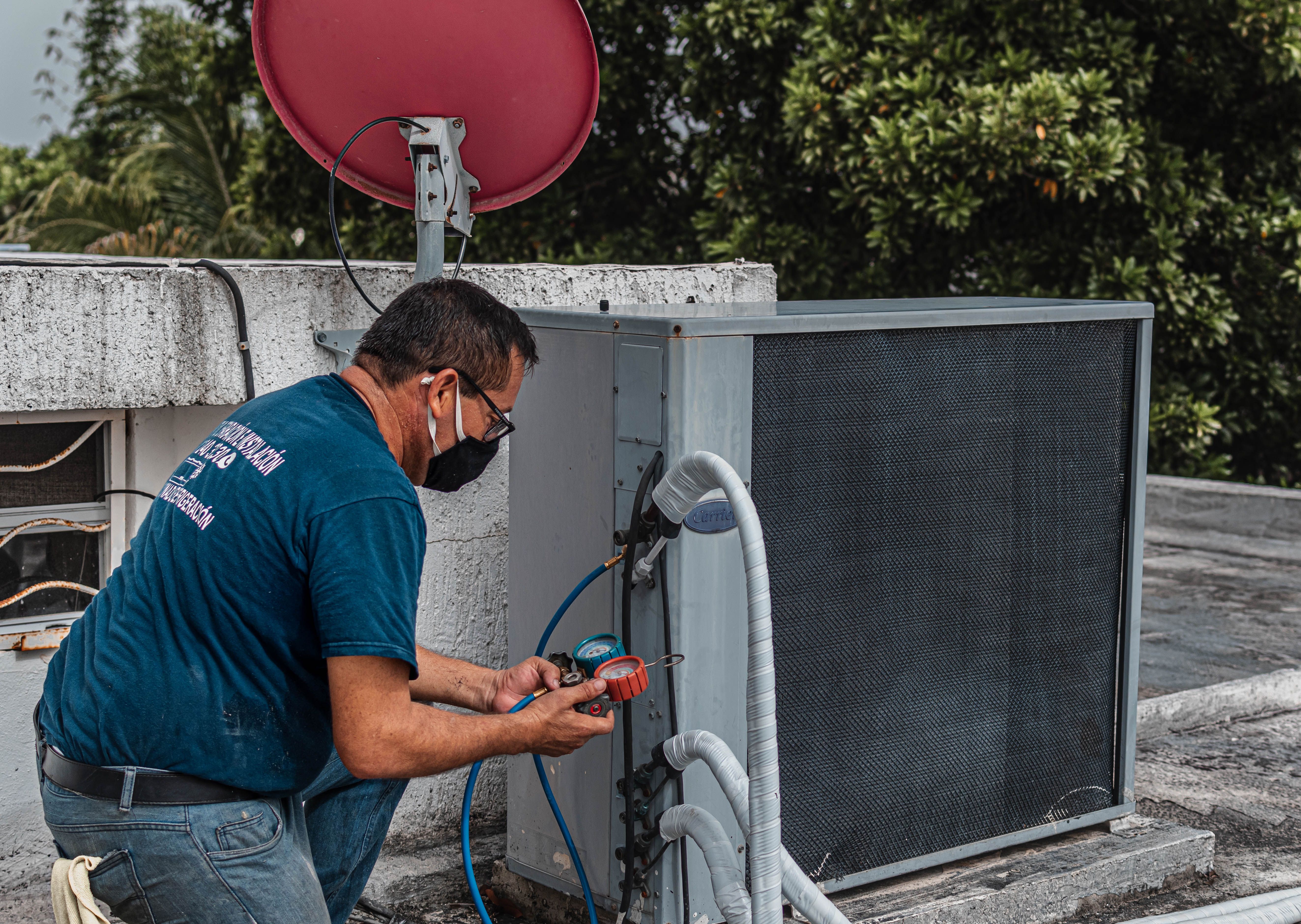
The strongest signal of a trustworthy PTAC specialist is specificity. A company that services PTAC units regularly will talk fluently about compressors, control boards, and sleeve fit, not just generic air conditioning. PTAC units have their own quirks, and a technician who treats them like any window unit will miss things.
Look for these markers:
- Proven PTAC experience. Ask how many PTAC jobs they handle in a typical month. Hotels and multi-unit buildings often rely on specialists who see these units daily.
- Licensing and insurance. A licensed, insured company protects you if something goes wrong during the repair. Never skip this check.
- Clear service area. A local NYC company understands building access, co-op rules, and the realities of working in tight apartment layouts.
- Honest repair-or-replace guidance. PTAC units typically last 10 to 15 years, according to service-life data compiled by the Building Intelligence Center. A good technician tells you when a repair is throwing money at a unit near the end of its life.
If a company pushes replacement on a five-year-old unit without a clear reason, or dodges questions about its credentials, keep looking.
Certifications and experience that matter
Certification separates a professional from a handyman with a toolbox. For PTAC work, one credential is non-negotiable.
EPA Section 608 certification
Any technician who maintains, services, or repairs equipment that could release refrigerant must hold EPA Section 608 certification. This is federal law under the Clean Air Act, not a nice-to-have. According to the U.S. Environmental Protection Agency, only Section 608 certified technicians may legally purchase refrigerant, and the certification comes in several types covering different equipment classes.
What this means for you: if a technician is recharging or replacing refrigerant in your PTAC unit, they are legally required to be certified. Ask to confirm it. A reputable company will have no problem showing proof.
NATE certification and hands-on track record
Beyond the legal minimum, NATE certification signals broader competency across HVAC systems. It is independent, nationally recognized, and testing is rigorous. Technicians who hold it have demonstrated real diagnostic skill rather than just time on the job.
Experience still matters alongside paperwork. A technician who has serviced hundreds of PTAC units across NYC buildings will diagnose a failing fan motor or a clogged condensate line faster than someone new to the equipment. When you call, it is fair to ask how long the company has been doing PTAC work specifically.
Questions to ask before booking
A short phone conversation tells you a lot. Before you commit, ask:
- Are your technicians EPA Section 608 certified? This should be an instant, confident yes.
- Is the company licensed and insured in New York? Ask for the details, not just a reassurance.
- Do you specialize in PTAC units, or is this occasional work? Specialists carry the right parts and know the common failure points.
- How do you charge: flat rate or hourly? Both are legitimate. You want to know before the visit.
- Is there a diagnostic fee, and does it apply toward the repair? Many companies credit the diagnostic cost if you proceed with the fix.
- What warranty covers the parts and labor? A company that stands behind its work will answer plainly.
If answers are vague or a company resists putting anything in writing, treat that as a warning. Clear communication on the phone usually predicts clear communication on the invoice.
Warranty and pricing transparency
Pricing is where trust is won or lost. The HVAC market uses a mix of flat-rate and hourly billing, and both can be fair. What matters is that you see the number before the work begins.
A transparent PTAC repair company will:
- Provide a written estimate. You should know the cost of parts and labor, not a vague range delivered after the job.
- Explain the diagnostic fee up front. Many companies apply it toward the repair if you go ahead.
- Spell out the warranty. Ask whether it covers parts, labor, or both, and for how long. A 90-day labor warranty and a manufacturer parts warranty are common starting points.
- Avoid surprise add-ons. Scope changes happen, but you should approve any new charge before it lands on the bill.
Be cautious of quotes that come in dramatically below everyone else. A lowball price often means uncertified labor, cut corners, or charges that appear later. The goal is a fair, documented price from a qualified team, not the cheapest number on the phone.
Why Gotham is a trusted NYC PTAC choice
Gotham Home Services repairs PTAC units for homeowners, hotels, and businesses across Queens, Brooklyn, Manhattan, and Long Island. Our technicians are certified to handle refrigerant work, and we give you a written quote before any repair starts, so there are no surprises when the job is done.
We work on PTAC units daily, which means we carry common parts and recognize the failure patterns that waste other technicians' time. When a unit is worth repairing, we fix it and back the work with a warranty. When an aging unit is past the point of sensible repair, we tell you plainly so you can plan a replacement instead of paying for one patch after another. You can read more about our full process in PTAC Unit Repair: What's Wrong and How We Fix It.
If your PTAC unit is blowing warm air, leaking, cycling on and off, or just not keeping up, call Gotham Home Services for a diagnostic and a clear, written quote. Getting an honest assessment now is the fastest way to a comfortable room and a bill you can trust.
Frequently asked questions
- What certification should a PTAC repair technician have?
- At minimum, EPA Section 608 certification, which is legally required to handle refrigerant. Many strong technicians also hold NATE certification, which tests broader HVAC competency.
- How long should a PTAC unit last before it needs replacing?
- Most PTAC units last 10 to 15 years. A reputable technician will recommend replacement over repair once an aging unit starts failing repeatedly or its efficiency drops.
- Should I expect a flat rate or hourly pricing for PTAC repair?
- Both are common. Flat-rate pricing gives you a fixed cost up front, while hourly billing can suit complex diagnostics. Ask for the quote in writing either way.
- Does Gotham Home Services repair PTAC units across all of NYC?
- Yes. Gotham Home Services handles PTAC repair for homes, hotels, and businesses across Queens, Brooklyn, Manhattan, and Long Island.