
Home Air Conditioner Service Near Me in NYC
Key takeaways
- A full home air conditioner service visit covers refrigerant checks, coil cleaning, electrical inspection, and airflow testing, not just a quick glance at the unit.
- ENERGY STAR notes that airflow problems can noticeably cut a cooling system's efficiency, which a routine tune-up catches early.
- A local NYC technician reaches your home faster than a regional dispatcher because routing stays inside the boroughs and Long Island.
- Book a spring tune-up before the first heat wave; emergency calls cost more and compete with every other sweltering household on a 90-degree day.
When you search for home air conditioner service near me, you want a technician who can reach your NYC home quickly and fix the problem on the first visit. Gotham Home Services sends licensed crews across Queens, Brooklyn, Manhattan, and Long Island for repairs, tune-ups, and emergency calls, so your cooling gets handled by someone who knows your building type and your block.
Air conditioning is nearly universal here. The U.S. Energy Information Administration found that 88% of U.S. households use air conditioning (U.S. EIA, 2020 RECS, 2022). In a dense city of apartments, brownstones, and commercial spaces, a failed unit on a hot day is not a minor inconvenience. Knowing what a service visit covers, and how fast a nearby tech can show up, saves you money and sweat.
What Does a Full Home Air Conditioner Service Visit Include?
A complete home air conditioner service visit covers far more than a filter swap. ENERGY STAR reports that airflow problems can reduce a cooling system's efficiency by up to 15 percent (ENERGY STAR Maintenance Checklist), so a thorough technician inspects the parts that quietly drain performance before they cause a breakdown.
A standard visit from a qualified crew includes several checks:
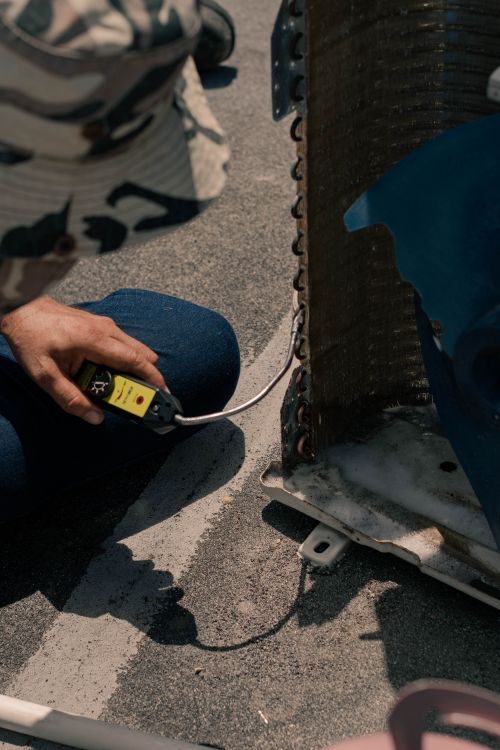
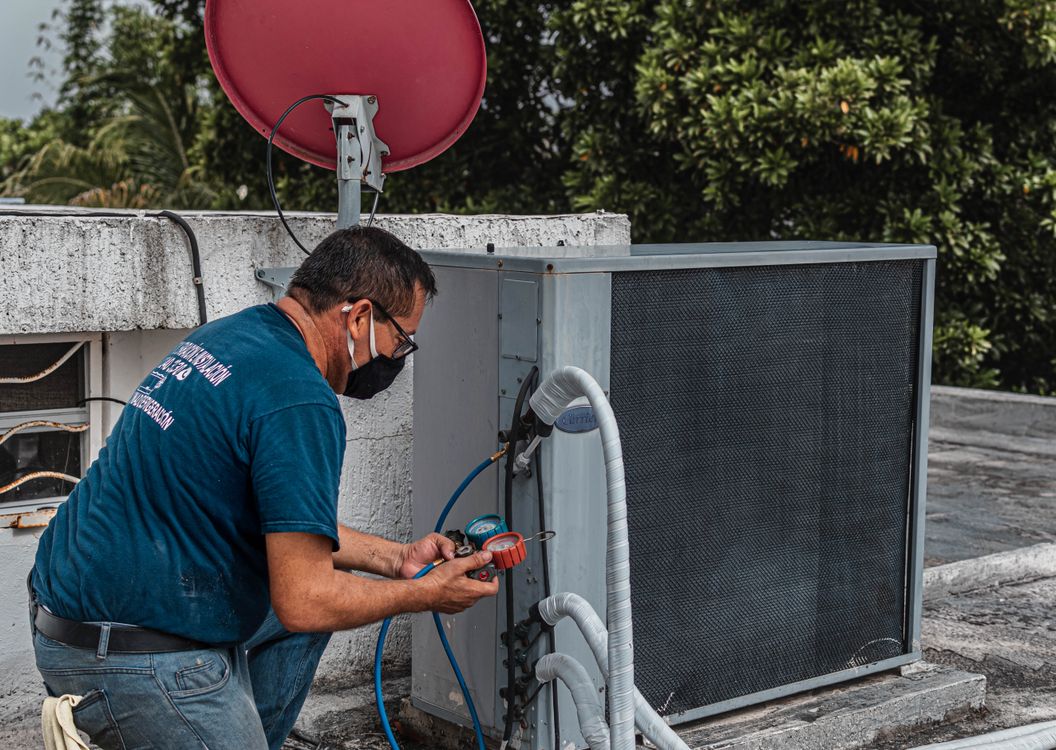
- Measuring refrigerant levels and looking for leaks
- Cleaning the condenser and evaporator coils
- Testing electrical connections, the capacitor, and the contactor
- Checking airflow and thermostat calibration
- Clearing the condensate drain line
- Inspecting the blower motor and fan
Each step targets a common failure point. A clogged drain line floods a closet. A weak capacitor stops the compressor on the hottest afternoon. Clean coils let the system pull heat out of your rooms instead of straining against a layer of grime. When a technician catches a worn part during a routine visit, you replace one component instead of an entire compressor.
The payoff is real. An efficient, well-maintained central AC can save a household a meaningful amount each year compared with a neglected or less efficient unit, and those savings add up over the life of the system. Maintenance keeps your existing equipment running closer to its rated efficiency, which is where the savings actually come from. If you are unsure your unit is even sized correctly for your space, our guide on sizing your AC by BTU explains how capacity affects both comfort and cost.
How Do Local Techs Respond Faster?
A local technician reaches your home faster because routing stays inside the city and Long Island instead of running through a regional call center. When the dispatcher and the crew both know that a trip from Astoria to Long Island City takes minutes, not an hour, they can slot you into the same day. That proximity is the whole point of searching for service "near me."
Distance is only part of it. A crew that works NYC and Long Island every day already knows the quirks of local housing. They have serviced the through-wall sleeves in co-op buildings, the mini splits in converted lofts, and the rooftop condensers on Brooklyn row houses. That familiarity cuts diagnosis time. They arrive expecting the unit type they are likely to find, with the right parts already on the truck.
Why does this matter during a heat wave? Because every hour without cooling in a top-floor apartment feels longer than the last. A nearby provider can triage your call, give you a tighter arrival window, and get a tech moving while an out-of-area company is still deciding who to send. Gotham Home Services runs crews out of the boroughs and Long Island for exactly this reason.
Seasonal Tune-Ups vs. Emergency Calls
A seasonal tune-up is scheduled preventive care, while an emergency call fixes a unit that has already quit. The difference shows up on your bill and your comfort. A spring tune-up costs less, happens on your schedule, and lowers the chance of a July breakdown. An emergency repair competes with every other overheated household in the city for the same limited crews.
Spring is the smart window to book. Technicians have open slots, parts are in stock, and your system gets a clean start before the first 90-degree stretch. A tune-up at that point catches the weak capacitor or low refrigerant that would otherwise fail under full load. Because airflow issues alone drag down efficiency, that one visit often pays for itself in lower electric bills across the summer.
Emergencies still happen, and that is when a 24/7 local line matters. If your system dies on a holiday weekend, you need someone who answers the phone and dispatches that day. A round-the-clock local provider exists for exactly those moments. The goal, though, is to keep you out of that situation. Annual maintenance is the cheapest insurance against a peak-season failure.
Coverage Across NYC and Long Island
Gotham Home Services covers all five boroughs plus Long Island, so a single provider can handle a Queens apartment, a Manhattan office, and a Long Island house without handing you off. That reach matters for landlords and businesses who manage units in more than one neighborhood and want one number to call.
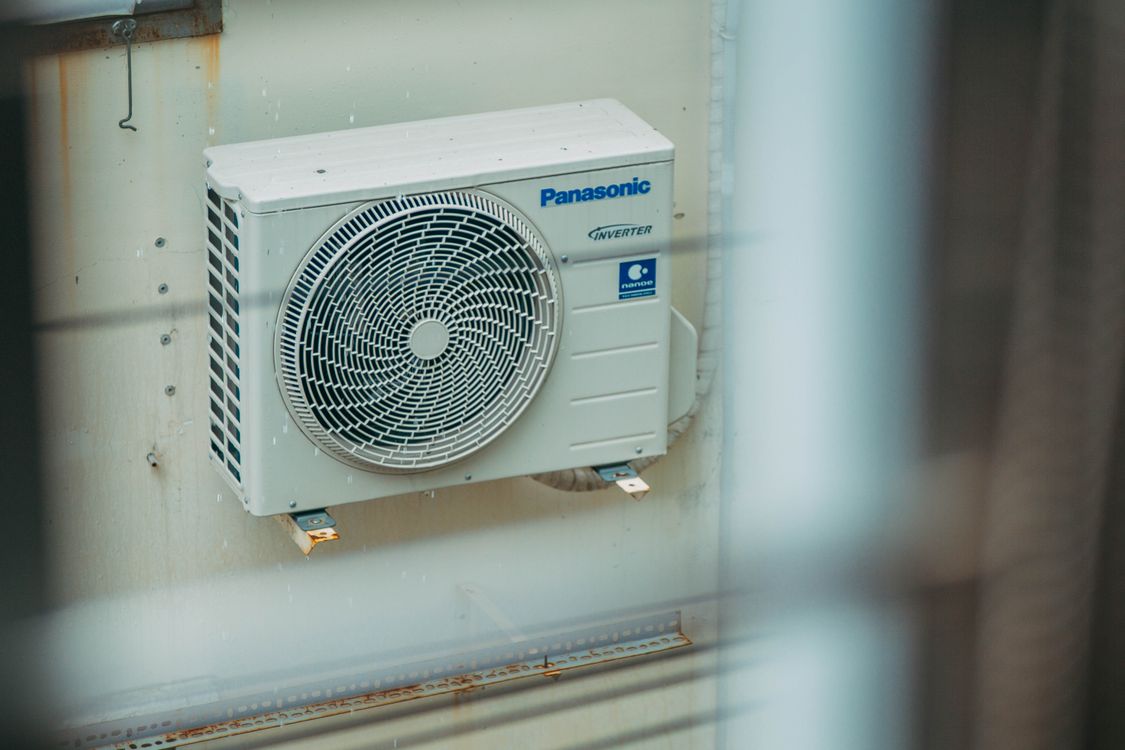
Each area has its own equipment patterns. Manhattan apartments and offices lean on through-wall units and compact split systems. Brooklyn row houses and brownstones often run central systems or ductless setups. Queens and Long Island homes mix central air, window units, and PTAC sleeves. A crew that services all of them brings the right tools and parts regardless of which borough the ticket is in.
Commercial coverage runs on the same footprint. Restaurants, retail, and offices cannot afford a dead cooling system during business hours, and the response logic is identical: a local crew reaches a Long Island storefront or a Midtown office faster than a distant contractor. The equipment is larger, but proximity still decides how quickly the doors stay open and the customers stay comfortable.
Booking a Nearby AC Service Appointment
Booking a nearby AC service appointment takes one phone call or online request, and calling early in the day gives you the best shot at a same-day slot. Local crews fill their schedules as the temperature climbs, so a 9 a.m. call during a heat wave beats a 3 p.m. one. Have your unit type and the symptom ready, because that lets the dispatcher match the right technician and parts to your visit.
When you book, ask three questions. First, what is the flat diagnostic or trip fee, so there are no surprises. Second, is the provider licensed and insured for work in your building, which co-ops and commercial landlords often require. Third, what is the realistic arrival window today. A straight answer to that last one tells you whether you are dealing with a true local operation or a referral middleman.
Keep a few records between visits. Note the date of your last service, the model of your unit, and any recurring symptom such as uneven cooling or a noise that comes and goes. That history helps the technician work faster and spot a pattern. If you are weighing a bigger upgrade rather than another repair, our NYC HVAC installation guide walks through when replacement makes more sense than one more fix.
The next step is simple: schedule your tune-up now, before the season peaks. A spring or early-summer appointment with a local NYC and Long Island crew keeps your home cool, your bills in check, and an emergency call off your calendar.
Frequently asked questions
- How much does a home AC service visit cost in NYC?
- A standard tune-up typically runs lower than a repair or emergency call. Pricing depends on the unit type, whether parts are needed, and whether the visit is scheduled or same-day. Ask for a flat-rate diagnostic fee before booking.
- How often should I service my home air conditioner?
- Once a year, ideally in spring before cooling season. Annual service keeps airflow and refrigerant levels correct. ENERGY STAR notes that airflow problems alone can meaningfully reduce efficiency, so yearly checks protect both comfort and your electric bill.
- Can a technician service my AC the same day I call?
- Often yes, especially with a local NYC and Long Island provider whose crews route within the boroughs. Same-day availability tightens during heat waves, so calling early in the morning improves your odds of a next-few-hours slot.
- What is the difference between an AC tune-up and an emergency repair?
- A tune-up is scheduled preventive maintenance that keeps a working unit healthy. An emergency repair fixes a system that has already failed, usually during peak heat, and carries higher demand and cost. Tune-ups reduce the odds of needing the latter.