
Common Summer AC Problems in NYC Apartments
Key takeaways
- The most common AC problems in NYC apartments are frozen coils, refrigerant leaks, and weak airflow, often caused by a clogged filter.
- A dirty filter is the single easiest fix and the most frequent reason a window or wall unit stops cooling well.
- A frozen evaporator coil means you should shut the unit off, let it thaw fully, then check the filter before running it again.
- In NYC, roughly 500 people die prematurely each summer from hot weather, so a failing AC is a safety issue, not just a comfort one.
- Call a licensed technician for refrigerant leaks, electrical faults, or a unit that trips the breaker, since those are unsafe to DIY.
If your apartment AC is running but barely cooling, the culprit is almost always one of three things: a clogged filter choking airflow, a frozen evaporator coil, or low refrigerant. The common AC problems NYC renters and owners hit every summer are predictable, and most start small enough that a five-minute check can tell you whether you need a pro.
New York summers put real strain on cooling equipment. Tight apartment layouts, aging window and wall units, and stretches of high heat all push ACs past what they were built to handle. Knowing what tends to break, and why, helps you act before a minor issue turns into a hot night with no relief.
Why Common AC Problems in NYC Apartments Start With the Heat
NYC apartments stress air conditioners in ways suburban homes do not. Small window and wall units cool dense, sun-exposed rooms, often while a heat wave runs for days. When the temperature outside climbs, the gap your AC has to close grows, and a unit that coasts in June can fall behind in a brutal July stretch.
The heat here is not a minor inconvenience. According to the New York City Department of Health, about 500 New Yorkers die prematurely each summer because of hot weather, with an average of 7 heat-stress deaths per year from 2016 to 2025 (NYC Department of Health, 2026 Heat Mortality Report). A working AC is part of staying safe, especially for older residents and anyone with health conditions.
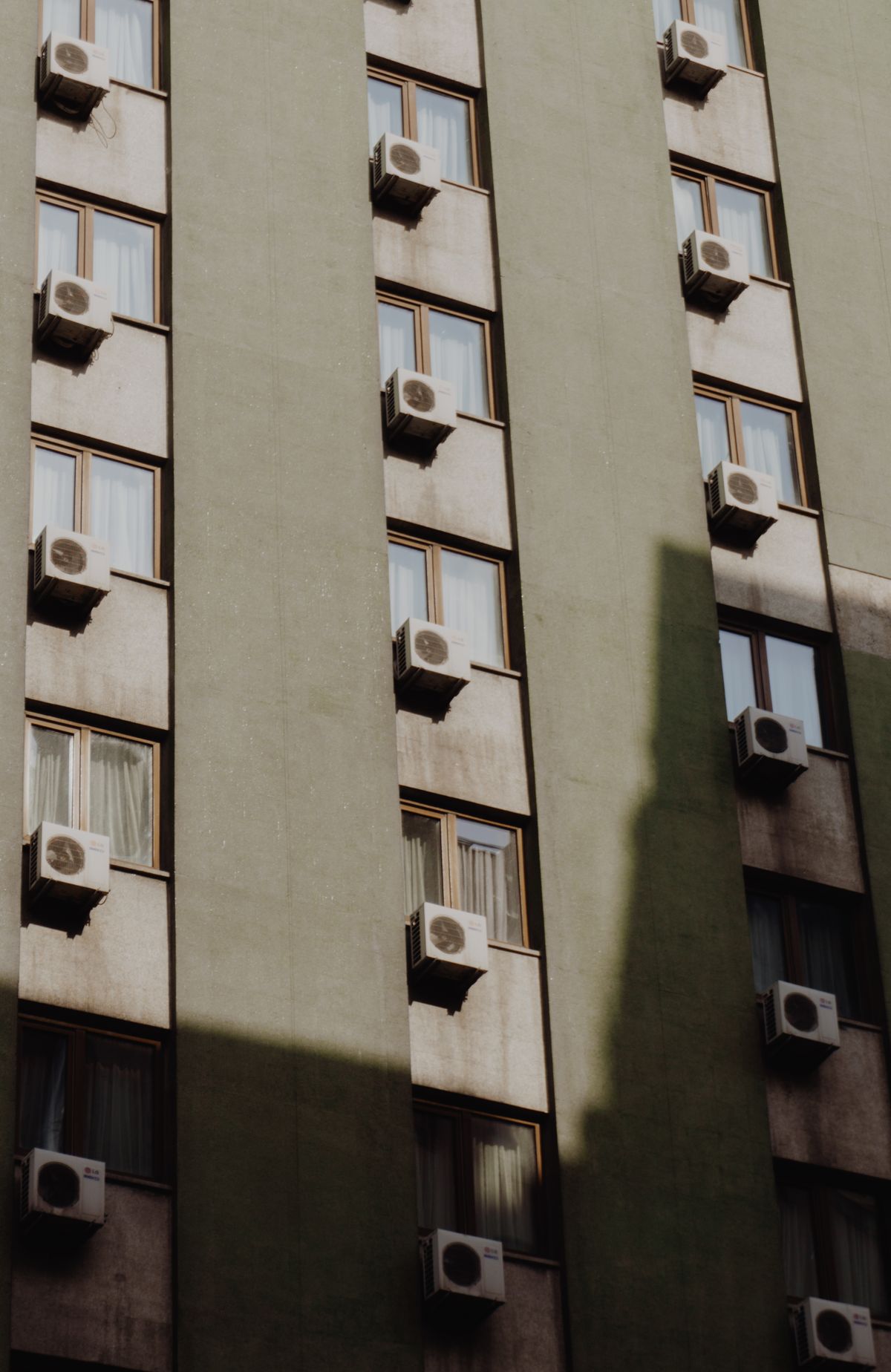
Apartment units also run harder because they often cool more square footage than they are sized for. A single window AC pushed to cover a large open layout runs long cycles, which wears parts faster and leaves rooms uneven. If one room feels like a refrigerator while another stays warm, sizing is usually the reason. Our guide to sizing your AC correctly with BTU units walks through how to match a unit to a room.
Frozen Coils, Leaks, and Weak Airflow
Three failures account for most summer AC complaints in apartments: frozen evaporator coils, refrigerant leaks, and weak airflow. They often feed into each other, which is why a small problem left alone turns into a unit that quits in the heat.
A frozen coil looks dramatic but usually starts simple. When airflow drops, often from a dirty filter, the coil gets too cold and condensation freezes into a block of ice. The unit then blows warm air or almost no air at all. You may even see water dripping once the ice melts. The fix starts with shutting the unit off completely and letting it thaw, which can take a few hours.
Refrigerant leaks are more serious. If your AC slowly loses cooling power over weeks and you hear a faint hissing, the sealed refrigerant line may have a leak. Low refrigerant also causes coils to freeze, so the two problems often show up together. Refrigerant is not something to top off yourself. It requires licensed handling and a repair of the leak itself.
Weak airflow is the most common complaint and often the easiest to trace. A clogged filter is the usual cause, followed by blocked vents, a failing blower motor, or ice on the coil. The U.S. Department of Energy notes that keeping a clean filter is one of the most effective low-cost steps for maintaining cooling performance, since a clogged filter forces the system to work harder for less output.
Quick Checks Before Calling a Pro
Before you book a repair, a few quick checks solve a surprising share of summer AC problems. Many service calls turn out to be a dirty filter or a tripped breaker, both of which you can handle in minutes. Start here, and you will either fix the issue or gather useful detail for the technician.
Work through this list first:
- Check the filter. Pull it out and hold it to the light. If it looks gray and packed with dust, clean or replace it. This is the top cause of weak airflow and frozen coils.
- Look for ice. If the coil is frozen, shut the unit off and let it thaw fully before running it again. Running it frozen can damage the compressor.
- Reset the breaker. If the unit is dead, check your electrical panel. A tripped breaker is common when an AC draws heavy current in a heat wave.
- Clear the vents. Make sure furniture, curtains, or dust are not blocking the intake or the output.
- Confirm the thermostat setting. Set it to cool and a few degrees below room temperature to be sure the unit should be running.
If the unit still will not cool after a clean filter and a full thaw, the problem is likely internal. A faint hiss, a burning smell, water pooling indoors, or a breaker that keeps tripping all point to something a technician should handle. For a broader maintenance rhythm that prevents these breakdowns, see how often you should service your HVAC system.
When a Repair Is Unavoidable
Some AC problems cross a line where DIY stops being safe or legal. Refrigerant leaks, electrical faults, and compressor failures all require a licensed professional, both for your safety and because sealed-system and wiring work falls outside what a renter or owner should attempt.
Call a pro right away if you notice any of these:
- A hissing or bubbling sound, which suggests a refrigerant leak.
- A burning or electrical smell, which can signal wiring or motor trouble.
- Repeated breaker trips when the AC kicks on.
- Water pooling inside the apartment rather than draining outside.
- The unit short-cycling, turning on and off every minute or two.
Compressor and refrigerant repairs are where costs climb, so an early call often saves money. A technician can also tell you whether an aging unit is worth repairing or whether replacement makes more sense, especially if it has struggled through several summers. Gotham Home Services handles these repairs across Queens, Brooklyn, Manhattan, and Long Island, and can diagnose a stubborn unit the same day during peak season.
Timing matters in July and August. When a heat wave hits, repair demand spikes and wait times grow, so the apartment that calls at the first hiss gets seen faster than the one that waits until the unit is fully dead.
Keeping Cool All Summer Long
Most summer AC failures are preventable with a short routine. The single highest-value habit is a clean filter, checked monthly during heavy use. Clear vents, a quick wipe of the coils before the season, and attention to odd sounds round out a maintenance plan that keeps a unit running when you need it most.
Start today by pulling your filter and checking it. If it is dusty, clean or replace it, and set a monthly reminder for the rest of the season. If your unit is already struggling despite a clean filter, or you hear hissing or smell anything burning, book a licensed technician before the next heat wave rather than during it. A quick call now beats a sleepless, sweltering night later.
Frequently asked questions
- Why is my apartment AC running but not cooling?
- The most likely causes are a clogged filter blocking airflow, a frozen evaporator coil, or low refrigerant. Check and replace the filter first. If the coil is iced over, shut the unit off and let it thaw before restarting.
- Is a frozen AC coil dangerous?
- A frozen coil will not harm you, but running the unit while it is iced can damage the compressor, which is expensive to replace. Turn the AC off, let the ice melt completely, and address the root cause before running it again.
- How often should I change my window AC filter in summer?
- Check the filter monthly during heavy summer use and clean or replace it when it looks gray with dust. A clogged filter is the most common reason a unit loses cooling power and runs up your electric bill.
- When should I call a pro instead of fixing the AC myself?
- Call a licensed technician for refrigerant leaks, burning smells, repeated breaker trips, water pooling inside, or any electrical fault. These involve sealed systems or wiring that are unsafe and often illegal to service without a license.